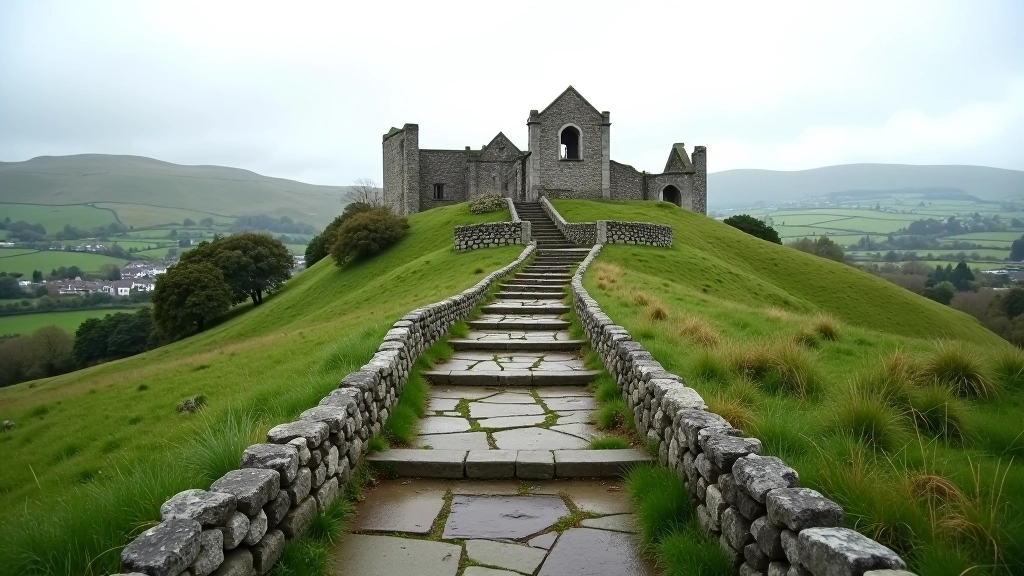
Cashel Rock isn't just another hilltop. It's a place where you can actually feel Irish history beneath your feet. The medieval ruins, the 12th-century cathedral, the sense of walking where monks and pilgrims walked centuries ago — it's all here, waiting for you. The good news? The route's manageable, the views are extraordinary, and we've figured out where to pause and catch your breath along the way.
What You'll Find: A 2.5 km walk through medieval history. Total elevation gain is about 150 metres. Most people take 90 minutes to 2 hours, depending on how long you linger at each site.
Getting to Cashel Rock
The town of Cashel sits about 20 minutes south of Tipperary town itself. You'll find parking right at the base — there's a small car park near the entrance gate. If you're coming by bus, the main stops are on Main Street, roughly a 5-minute walk away. Once you're there, you can't miss it. The rock rises up dramatically from the surrounding fields.
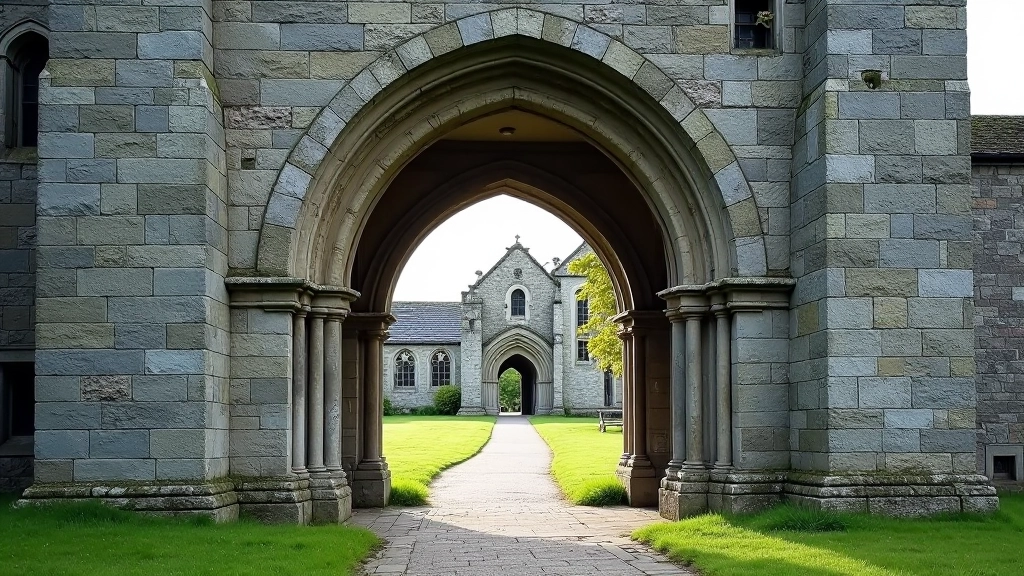
The walk starts at the entrance gate. From there, you're heading uphill on a well-maintained stone pathway. Don't worry — it's not steep all at once. The path switchbacks in places, which actually makes it easier on your knees and hips.
- Wear sturdy walking shoes with good grip
- Bring water — at least 1 litre
- Start early if possible (10 a.m. or earlier)
- Pack a light snack for the summit
The Route: Step by Step
The path splits into sections. Here's how we'd break it down so you know exactly what to expect.
1
The Lower Path (0–400 metres)
You'll start on a gently sloping path lined with trees. This section's shaded, which is nice on warmer days. You're gaining about 40 metres of elevation here. There's a small bench about halfway through if you need to pause.
2
The Middle Climb (400–1,500 metres)
This is where the walk gets more noticeable. The gradient increases, and the trees open up so you're in the open. You'll gain about 80 metres here. There's a stone rest point — just a flat area where the path widens — at around the 1 km mark. This is where most people take their first proper break.
3
The Final Ascent (1,500–2,500 metres)
You're nearly there. The final section is the steepest, but it's also the shortest. About 30 metres of elevation gain in roughly 1 km. The payoff? You'll emerge onto the summit plateau with the ruins in front of you. It's worth every step.
What to See at the Summit
Once you reach the top, you've got the ruins to explore. Plan 45 minutes to an hour to really see what's there. Here's what matters:
St. Patrick's Cathedral
The cathedral itself dates from the 13th century. You can walk around the outside, peer through the windows, and get a real sense of the scale. The walls are still standing, which is remarkable given they're over 700 years old.
The Round Tower
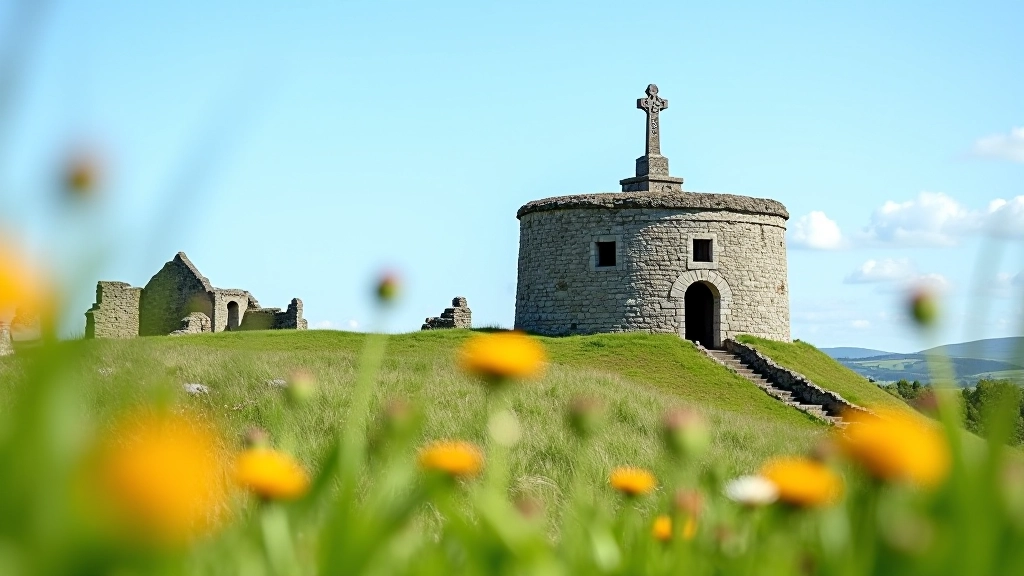
It's 28 metres tall and dates from the 12th century. You won't be able to climb it (it's closed for safety), but you can walk around its base and appreciate the engineering. The door is about 3 metres up — a medieval security feature.
The High Crosses
There are several Celtic crosses scattered across the site. These aren't modern additions — they're genuinely ancient. The intricate carved patterns are worth examining closely if your eyesight's good.

Practical Tips for a Comfortable Day
We've talked to dozens of people who've done this walk. Here's what they wish they'd known beforehand.
Timing Matters
Arrive between 10 a.m. and 2 p.m. if you can. The morning light is softer, and you'll avoid the afternoon crowds. Also, you'll have plenty of daylight left if you want to explore the town afterwards.
Walking Poles Help
If you have any knee concerns, bring trekking poles. They reduce impact on the descent by about 25%. Most people find them make the experience noticeably more comfortable.
The Weather's Changeable
Ireland's weather isn't reliable. Bring a light rain jacket even if the forecast looks clear. The wind picks up on the summit, so layers are your friend. Jeans aren't ideal — go for something with a bit of stretch.
Rest Points Are Strategic
Don't wait until you're exhausted to sit down. There are benches and flat spots throughout the route. Taking a 5-minute break every 20 minutes of walking is perfectly normal and actually helps you enjoy the scenery more.
Making the Most of Your Visit
Cashel Rock isn't a race. You're not trying to summit Everest. You're spending time in a place that's genuinely special — a place where history is visible and tangible. The walk's moderate, the route's clear, and the reward's substantial. Whether you're interested in medieval architecture, Irish history, or just a good day out in the countryside, this route delivers.
Once you're back down, there's plenty to explore in Cashel town itself. Good cafés, interesting shops, and more history if you're keen. You've earned a proper cup of tea or coffee.
The best time to walk is when you're ready. Don't overthink it. Pick a day when the weather's decent, bring the right gear, and go. You'll understand why people come back to this place again and again.
A Note on Safety
This guide is informational and based on current conditions. Weather, maintenance, and access can change. Always check local conditions before visiting. If you have mobility concerns or health conditions, consult your doctor before undertaking any walk. Stay on marked paths, wear appropriate footwear, and be aware of your own fitness level. The site is exposed on the summit — be cautious in high winds or storms.