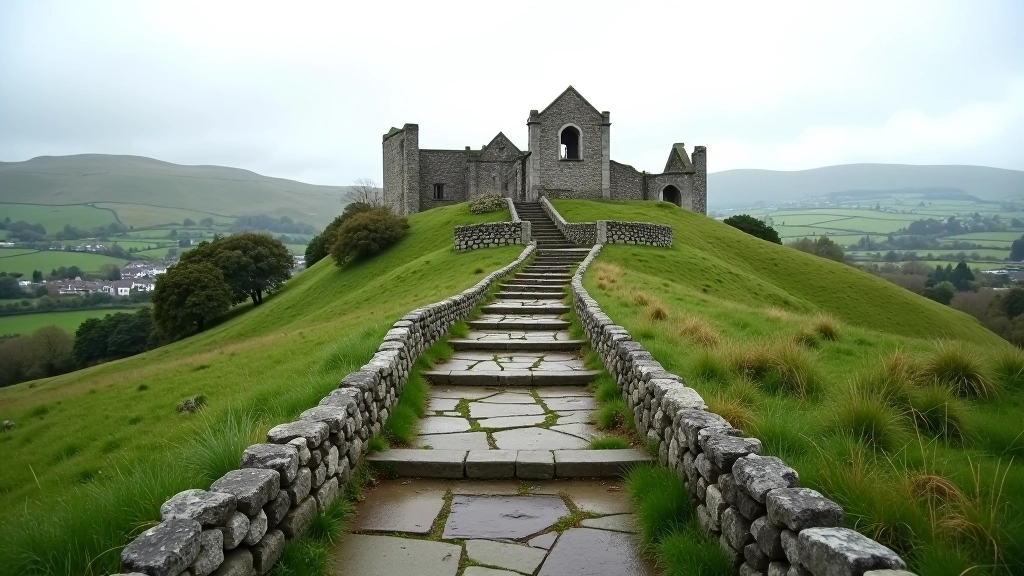
Preparing for Cathedral Town Walks: Practical Essentials
What to pack, when to go, and how to prepare yourself physically. Real advice from walkers who've explored these routes year after year.

Getting Ready for Your Journey
Walking the cathedral towns around Cashel and Tipperary isn't just about showing up. It's about preparing yourself—mentally, physically, and practically—so you can actually enjoy the experience without being sore for a week afterward. We've talked to dozens of walkers who've done these routes, and they'll tell you the same thing: preparation makes all the difference.
You don't need to be a seasoned hiker. Most people who walk these routes are doing it for the first time, and they're having a great time. But you'll get so much more out of it if you know what to expect and what to bring.
Physical Prep
Start walking regularly 4-6 weeks before. Even 20-30 minutes helps.
Smart Packing
Bring layers, water, snacks, and proper footwear. Leave the rest behind.
Timing Matters
Spring and autumn offer the best weather and fewer crowds.
Building Your Walking Fitness
The walks around Cashel Rock and the Tipperary Heritage Trail aren't brutal, but they're not flat either. You're looking at roughly 5-8 kilometers depending on which route you choose, with elevation gain that varies. The good news? Most people in their 60s, 70s, and beyond are doing these routes comfortably.
Here's what works: start walking three times a week about six weeks before your trip. Don't overthink it. A 20 to 30-minute walk around your neighborhood is enough to begin. The goal isn't to train for a marathon—it's to wake up your legs and get your cardiovascular system ready for sustained movement.
Real example from a walker:
"I started walking around my village three times a week in
March. By May when we did the Cashel Rock walk, I wasn't even
out of breath. The year before when I hadn't trained, I was
struggling by halfway."
— Margaret, 68
Two weeks before your trip, include at least one longer walk—aim for 45 minutes to an hour. Walk on varied terrain if you can. This tells your body what to expect. And don't do anything new the week of your walk. Stick to your routine.

What to Pack and Wear
This is where people often go wrong. They overpack or wear the wrong shoes, and then they're miserable for six kilometers. Let's keep it simple.
Essential Items
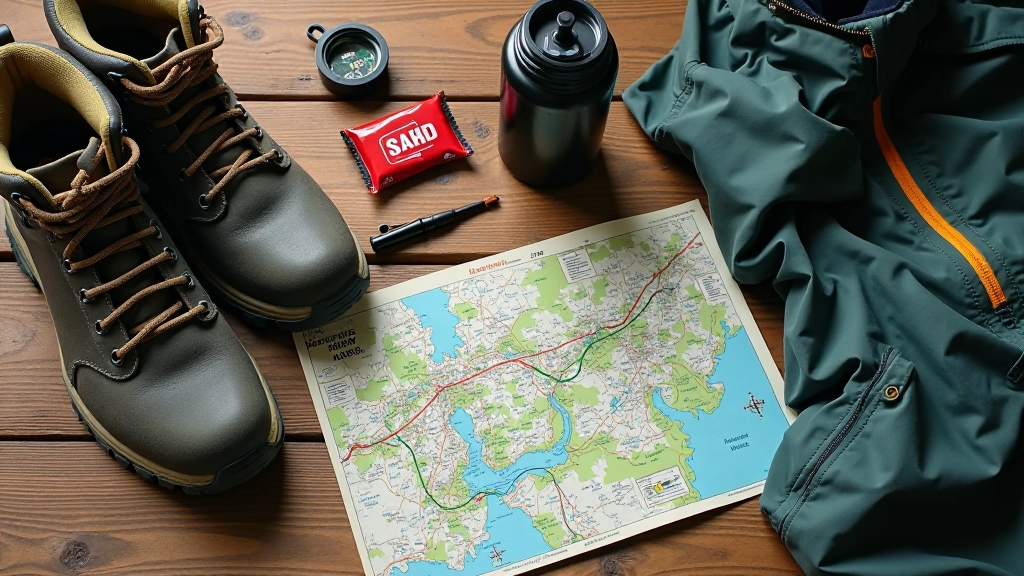
- Shoes: Proper walking shoes or lightweight hiking boots. Break them in beforehand. Seriously. New shoes are the number-one cause of sore feet on these walks.
- Layers: Irish weather is unpredictable. Bring a base layer, a fleece or sweater, and a waterproof jacket. You'll shed layers as you warm up.
- Water: At least 1.5 liters. There are spots to refill, but don't rely on it. Dehydration makes everything harder.
- Snacks: Energy bars, nuts, fruit. Eat before you're hungry—it keeps your energy steady.
- Map or guide: Bring printed directions or download offline maps. Phone batteries die.
A good backpack—not too big, 15-20 liters—distributes weight across your shoulders and hips. Don't carry unnecessary items. Every extra kilogram adds up over eight kilometers.
When to Walk: Timing and Weather
Spring and autumn are ideal. April through May and September through October offer mild temperatures, decent daylight, and fewer tourists clogging the paths. Summer's busier and warmer. Winter's possible but requires extra precautions—the stone paths get slippery, and daylight ends early.
Check the forecast before you go, but don't cancel because of a chance of rain. This is Ireland. It rains. A good jacket handles it. What you want to avoid is extreme heat (above 25°C makes sustained walking uncomfortable for most people) or heavy wind (especially on elevated sections of Cashel Rock).
Best Times to Visit
Spring bloom, 14-16 hours daylight, mild 12-16°C
Clear days, comfortable 13-17°C, fewer visitors

Before You Go
This guide is informational and based on feedback from real walkers. Everyone's fitness level and health situation is different. If you have health concerns—joint pain, heart conditions, or mobility issues—talk to your doctor before attempting these walks. The routes aren't extremely difficult, but they do involve sustained walking and some elevation. Start with the shorter routes if you're new to walking. You know your body better than anyone.
You're More Ready Than You Think
The cathedral town walks around Cashel and Tipperary aren't exclusive to serious hikers. Hundreds of people explore these routes every year—retirees, families, people of all fitness levels. The difference between those who enjoy it and those who don't usually comes down to basic preparation.
Train lightly for a few weeks. Wear shoes that don't hurt. Bring water and snacks. Dress in layers. Go in decent weather. That's it. You'll walk through centuries of history, see views that stick with you, and feel genuinely accomplished at the end of the day. It's worth the small effort to prepare.
Ready to explore?
Check out our step-by-step guides for Cashel Rock and the Tipperary Heritage Trail to plan your route.
Cashel Rock Walking Guide