Tipperary Heritage Trail: History at Every Turn
Walk through centuries of Irish history. This guide connects heritage sites, tells their stories, and explains what you're seeing along the way.
What You'll Discover
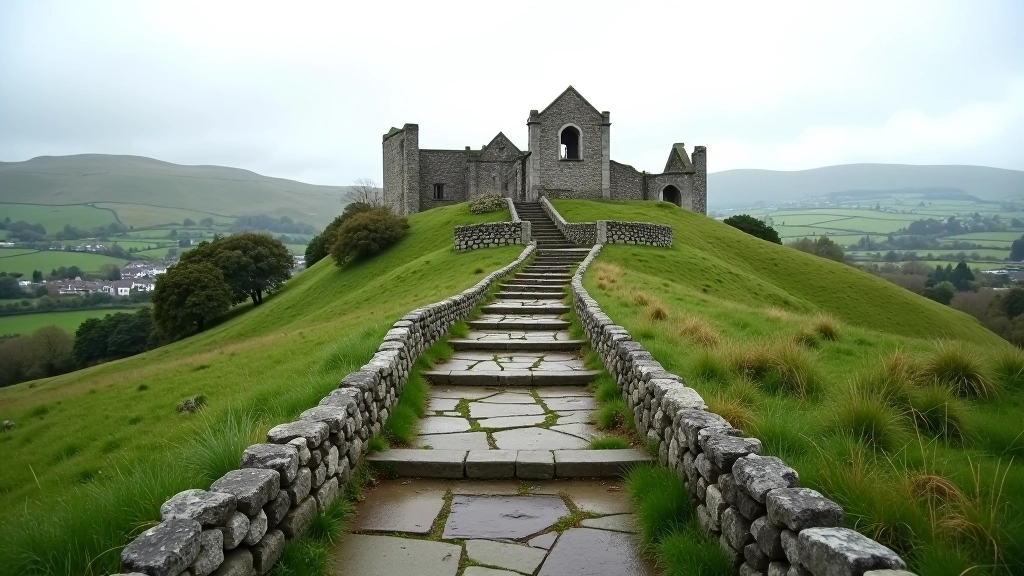
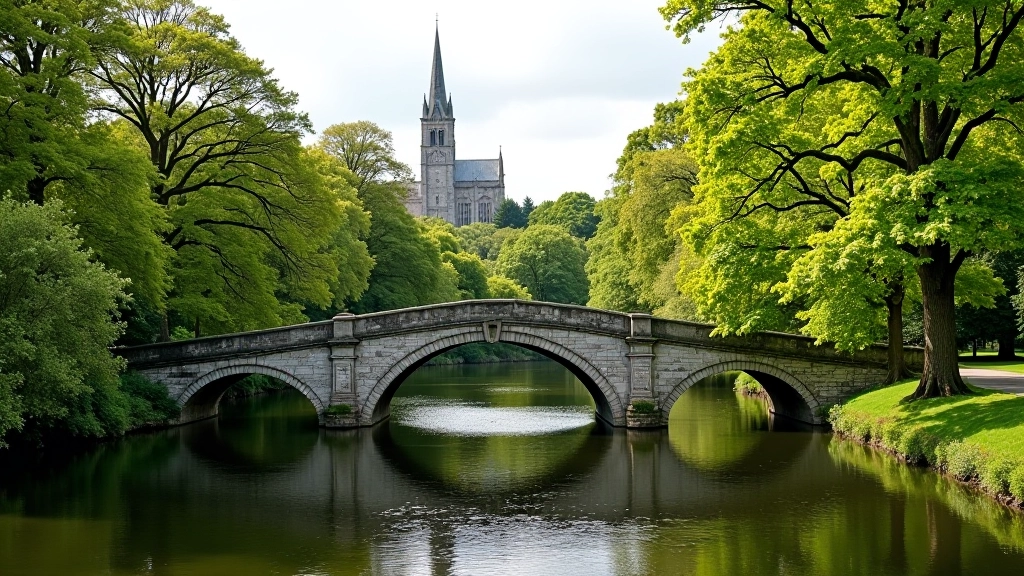
The Tipperary Heritage Trail isn't just a walk — it's a conversation with the past. You're not simply moving through countryside; you're stepping into the actual spaces where major historical events unfolded. The trail connects seven key heritage sites across a manageable 8-kilometre route that takes roughly four to five hours to complete, including stops.
What makes this trail different is that every location tells a specific story. You'll see where Norman fortifications stood, visit medieval abbeys, walk past sites linked to Irish independence movements, and explore villages that've thrived for over 800 years. Most importantly, we'll show you exactly what to look for — the architectural details, the historical markers, the landscape features that actually explain what you're seeing.
Total Distance
8 kilometres
Walking Time
4-5 hours with stops
Heritage Sites
7 major locations
Medieval Foundations: Reading the Ruins
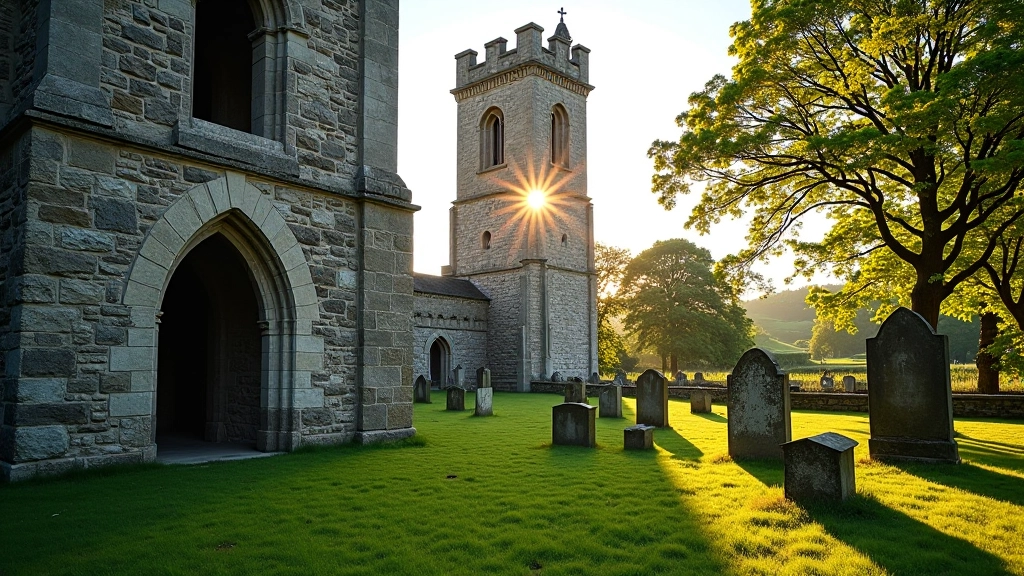
The trail begins at Athassel Priory, and this is where you'll start learning the visual language of medieval Irish architecture. The priory was founded in 1205, which means you're looking at structures that've survived over 800 years. The walls you see aren't randomly placed — they tell you about daily medieval life.
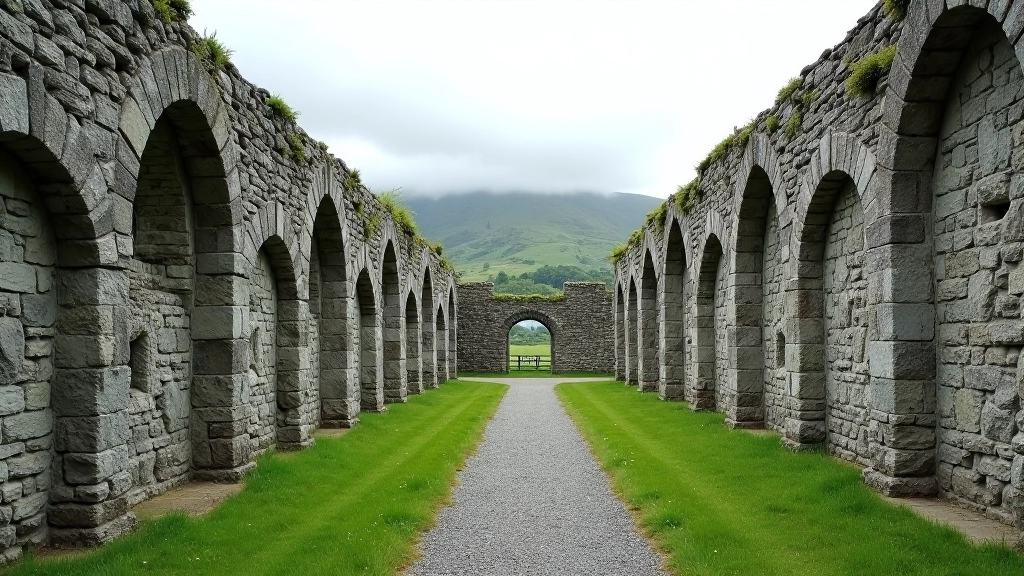
Notice the narrow windows. They weren't designed for aesthetics; they were functional. Thick stone walls with small openings kept buildings warm during Irish winters and provided defense. The rounded arches indicate 12th-century construction. You'll also spot what remains of the cloister — the covered walkway where monks moved between buildings. It's partially underground now, but you can trace its outline.
What's crucial is understanding what you're NOT seeing. Roofs were timber and haven't survived. Floors were dirt or simple stone. Furniture was minimal. When you stand in what was once a dormitory or refectory, imagine bare stone, candles for light, and cold air flowing through those small windows. That's the actual medieval experience these walls contained.
Norman Influence: The Defensive Architecture
As you continue south along the trail, you'll encounter the remains of Norman fortifications. The Normans arrived in Ireland in 1169, and they transformed Irish defence systems entirely. They built tower houses — sturdy stone structures designed for both living and protection. What you're looking at when you see these towers is medieval security architecture.
The towers were typically four or five storeys tall. Ground floors were storage. Upper floors contained living quarters. That narrow door you see? It's not for comfort — it's for control. A narrow entrance means only one person can enter at a time, making defence easier. The arrow slits — those small vertical openings in the walls — allowed defenders to shoot while remaining protected. Every design choice was about survival.
Look closely at the stonework. Notice how stones are fitted together without mortar in some sections. This technique, called dry-stone construction, was incredibly durable. These walls survived centuries of Irish weather, raids, and neglect. The tower you're examining is proof that Norman engineering was genuinely sophisticated for its era.
About This Guide
This article is educational material designed to enhance your understanding of Tipperary's heritage sites and history. Information is accurate to the best of our knowledge, but circumstances change — opening hours vary, access conditions differ by season, and site details are occasionally updated. Always verify current conditions with local tourism offices or site management before planning your visit. Safety is essential: wear appropriate footwear, bring weather protection, and check forecasts. This guide supplements — rather than replaces — professional archaeological interpretation and local expert guidance available at many heritage sites.
Key Heritage Sites on the Trail
Understanding what you're visiting makes the walk infinitely richer. Here's what makes each stop significant.
Athassel Priory
Founded 1205
Benedictine monastic complex with visible cloister outline, refectory foundations, and church remains. The priory's scale indicates significant wealth and importance. Walk around the perimeter to understand the full complex layout.
Golden Village
Medieval settlement
One of Ireland's oldest continuously inhabited villages. The main street layout dates to medieval times. Buildings show 18th and 19th-century modifications, but underlying structure reveals centuries of occupation patterns.
Cashel Rock (Side Visit)
Pre-Christian to medieval
The major heritage site near the trail. Although a separate excursion from the main walk, it's worth including. Pre-Christian stone circles, medieval cathedral, and 12th-century Round Tower represent multiple historical layers in one location.
Reading the Landscape: What the Terrain Tells You
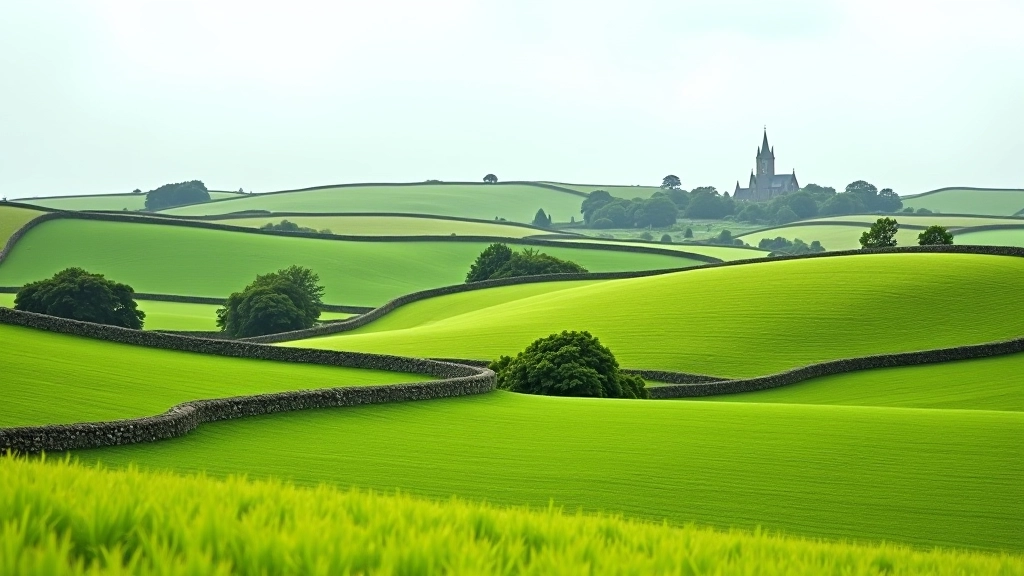
Beyond the buildings themselves, the landscape around these sites reveals historical patterns. Medieval settlements weren't random. They clustered near water sources — you'll notice most heritage sites sit close to streams or rivers. This wasn't aesthetic choice; it was essential survival. Water meant drinking, washing, powering mills, and fish for protein.
Look at the elevation changes. Defensible positions were chosen deliberately. Higher ground provided warning of approaching threats. Look at nearby tree clusters — some indicate ancient boundaries or land divisions that've been respected for centuries. Stone walls, even crumbling ones, often follow these ancient divisions.
The soil itself tells stories. Darker earth around building foundations indicates centuries of occupation. That accumulation of organic material — burnt wood, broken pottery, ash — builds up over generations. Archaeologists call this cultural stratum, and it's why they can date sites so precisely. You're literally walking across layers of human history.
Making the Most of Your Walk
Knowing the history enriches the experience. Here's how to approach the trail strategically.
Bring Binoculars
Stone details at distance become clearer. You'll spot carving, decorative work, and architectural features that define different periods. Window styles, doorway designs, and wall patterns reveal construction techniques and timeframes.
Photograph Details
Close-ups of stonework, carvings, and architectural elements help you understand construction quality. Compare photos across different sites to see how building techniques evolved over centuries.
Take Notes
Write observations about what you're seeing. Questions you ask yourself on-site often get answered at the next location. This active engagement transforms a walk into genuine learning experience.
Connect With Local Guides
Many villages have volunteer heritage interpreters or local historians. A 15-minute conversation provides context that books can't offer. Locals know the stories that didn't make official records.
Choose Your Light
Morning or late afternoon light reveals stone textures beautifully. Shadows highlight architectural details. Midday sun washes out fine details. Early morning also means fewer crowds and quieter sites.
Sit Quietly
Spend 10 minutes at each major site just observing. Listen to ambient sounds. Notice how the space feels. Historical sites often have atmosphere that reveals something about their past use.
More Than Just Ruins
The Tipperary Heritage Trail isn't about checking off tourist boxes. It's about understanding how people actually lived across eight centuries. Every stone, every architectural choice, every location tells you something about medieval survival, faith, conflict, and community. When you walk this trail with historical context, you're not just seeing old buildings — you're reading a book written in stone and landscape.
The best part? The trail stays accessible because locals care about it. Paths are maintained. Sites are preserved. The experience you'll have is genuinely worthwhile, and you'll leave understanding Irish history not as abstract dates and names, but as the lived reality of people who walked these exact paths centuries ago.

Related Articles